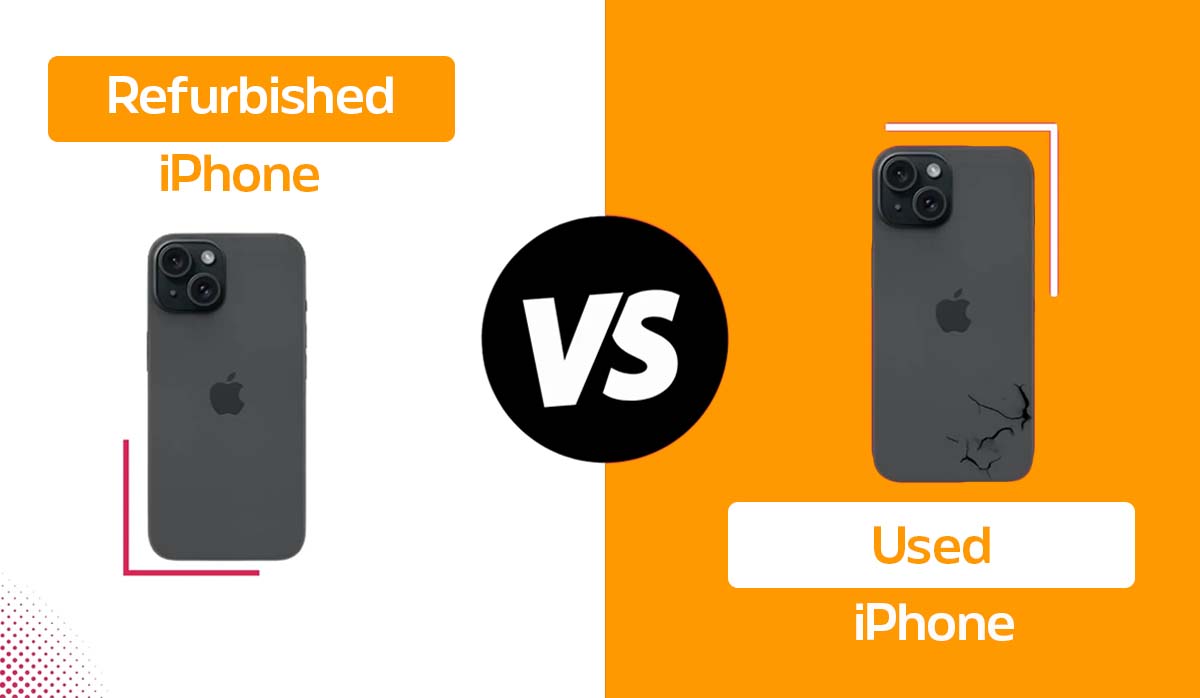
In the Australian tech landscape, the demand for high-end iPhones has never been higher, but neither has the retail price of a brand-new flagship. This has led thousands of Aussies to the second-hand market. However, there is a massive technical and legal difference between a “Used” iPhone you find on a social media marketplace and a “Certified Refurbished” device from a professional retailer.
If you are currently deciding on the Best iPhone to buy in Australia, understanding these labels is the difference between a smart investment and an expensive mistake.
The Great Australian iPhone Dilemma: New, Used, or Refurbished?
Australia has one of the highest iPhone adoption rates in the world. As a result, the market is flooded with older models like the, iPhone 14, and 15. When a new model drops, the previous generations become the primary target for value-seekers.
The problem? Most buyers use the terms “used” and “refurbished” interchangeably. In reality, they represent two completely different levels of quality, safety, and consumer protection.
Decoding the Labels: What is the Real Difference?
To buy smart, you need to look past the price tag and look at the source.
Used iPhones: The “As-Is” Gamble
A used iPhone is typically a private sale. You find it on platforms like Facebook Marketplace or Gumtree. It is sold “as-is,” meaning the condition is based entirely on the previous owner’s opinion.
- No Testing: There is no requirement for the seller to test the internal components.
- No Warranty: Once the cash changes hands, you have zero recourse if the Face ID fails or the battery swells two days later.
- Hidden Risks: Private sales are prone to Activation Locks (iCloud locks) and blacklisted IMEIs if the phone was reported lost or stolen.
Refurbished iPhones: The Professional Restoration
A refurbished iPhone is a pre-owned device that has been returned to a professional facility to be restored to “like-new” functionality. It isn’t just cleaned; it is technically audited.
- Expertly Tested: Every device undergoes a rigorous, repeatable diagnostic process.
- Certified Quality: Components that don’t meet strict standards are replaced with genuine or high-quality parts.
- Data Wiped: Professional refurbishment ensures a total data purge and a fresh installation of the latest iOS.
Why a 72-Point Diagnostic Test is a Non-Negotiable
When you buy a certified refurbished device, you are paying for the peace of mind provided by a 72-point diagnostic test. This is the gold standard for reputable Australian retailers like Phonebot.
Unlike a private seller who just checks if the screen turns on, a 72-point check audits every “hidden” system:
- Battery Health: Capacity is measured; if it’s below 80-85%, the battery is replaced.
- Biometrics: Face ID and Touch ID sensors are tested for millisecond responsiveness.
- Connectivity: WiFi, Bluetooth, GPS, and 5G antennas are checked for signal strength.
- Sensors: Accelerometers, gyroscopes, and proximity sensors are verified for Apple Intelligence compatibility.
- Audio: Microphones and speakers are tested for clarity and decibel levels.
This level of scrutiny ensures that even an older model performs with the same speed and reliability as the day it left the factory.
Consumer Rights in Australia: Your Safety Net
One of the biggest advantages of choosing refurbished over used is the protection of the Australian Consumer Law (ACL).
When you buy from an Australian business, you are automatically entitled to consumer guarantees. These rights ensure the product is of “acceptable quality” and “fit for purpose.” According to the ACCC (Australian Competition and Consumer Commission), businesses selling second-hand products must comply with these guarantees, which include the right to a remedy—such as a refund, repair, or replacement—if the product fails to meet standards.
These same business guarantees do not bind a private seller on a marketplace. This is why a 12-month warranty is a hallmark of a trustworthy refurbisher. It proves they stand behind their 72-point diagnostic results.
Performance vs. Price: Is a Refurbished iPhone “Slower”?
There is a persistent myth that “pre-loved” electronics are slower. In the world of iPhones, this is technically incorrect. Apple’s silicon—like the A17 and A18 chips—is designed to last for 6+ years of peak performance.
If a phone is expertly tested and has a healthy battery, it will run the latest iOS 26 (and beyond) just as smoothly as a brand-new unit. For many, the choice becomes clear: you can buy a refurbished iPhone 15 Pro for nearly half the price of a new one, getting 95% of the same experience.
For a deeper look at which models currently offer the best balance of power and price, check out our guide on whether the iPhone 17 is Worth Upgrading or if you’re better off with a pro-level refurbished model.
The Buying Checklist: 5 Things to Verify Before You Pay
If you’ve decided to skip the high retail prices and go refurbished, use this checklist to ensure you’re getting a high-quality device:
- Demand a Diagnostic Report: Ask if the phone has passed a 72-point diagnostic test.
- Check Battery Health: Ensure the capacity is at least 80% (ideally 85%+).
- Confirm the Warranty: Never settle for less than a 12-month warranty from an Australian-based company.
- Verify the IMEI: Ensure the device isn’t blacklisted or under a finance contract.
- Check the Return Policy: A confident seller will offer at least a 7-day “change of mind” period.
Conclusion: Making the Smart Choice for Your Wallet
Buying an iPhone in 2026 doesn’t have to break the bank. While the “Used” market offers the lowest prices, the lack of testing and legal protection makes it a high-risk gamble.
Certified Refurbished devices bridge the gap. They provide the “new phone” experience, backed by professional testing and consumer rights, at a fraction of the cost. By choosing a device that has been expertly tested, you aren’t just saving money, you’re buying with confidence.